
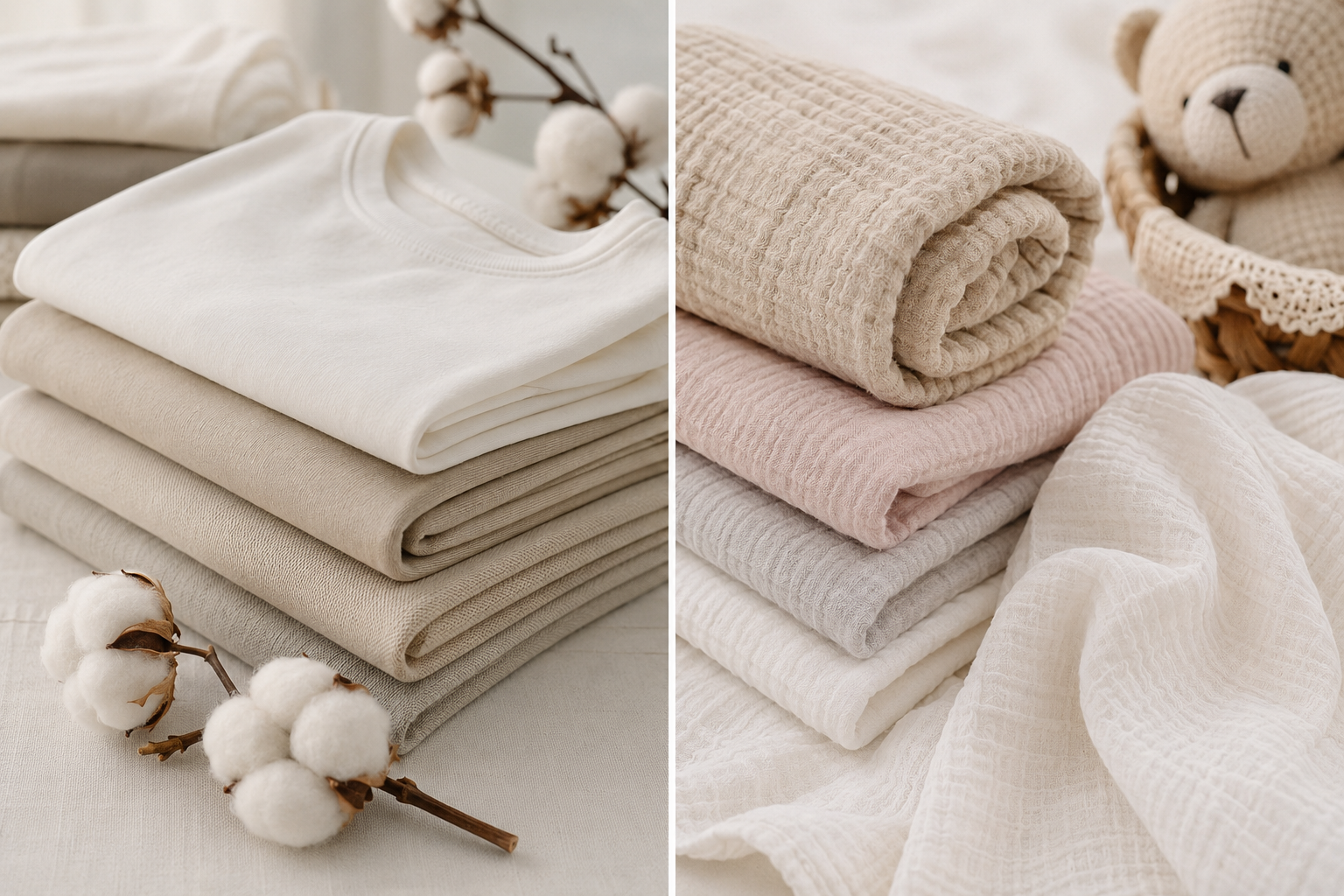
When shopping for clothing, baby essentials, bedding, or household textiles, one question often comes up: Muslin vs. cotton—which is better? While many people compare these two fabrics as if they are completely different materials, the truth is a bit more nuanced. Muslin is actually a type of cotton fabric, woven in a unique way that gives it distinctive qualities. Understanding the differences between muslin and other cotton fabrics can help you make the right choice for your specific needs.
Whether you’re choosing a baby blanket, swaddle, bedsheets, or everyday clothing, this guide explores the characteristics, advantages, and disadvantages of both fabrics so you can decide which one best suits your lifestyle.
What Is Cotton?
Cotton is one of the world’s most popular natural fibers. It comes from the fluffy fibers surrounding the seeds of the cotton plant and has been used for thousands of years to create comfortable, breathable textiles.
Cotton is incredibly versatile. Depending on how it is spun and woven, it can produce a wide variety of fabrics, including jersey, sateen, flannel, denim, canvas, and muslin. Because of this versatility, cotton is found in everything from luxury hotel bedding to everyday T-shirts.
Benefits of Cotton
Cotton has remained a favorite fabric for generations because it offers several important advantages:
- Soft and comfortable against the skin
- Highly breathable
- Durable with proper care
- Easy to wash and maintain
- Naturally hypoallergenic
- Suitable for all seasons
- Widely available in different qualities and price ranges
Cotton’s versatility makes it an excellent all-purpose fabric for clothing, home textiles, and baby products.
What Is Muslin?
Muslin is a lightweight cotton fabric made using a plain weave. Unlike many tightly woven cotton fabrics, muslin has a looser weave that allows significantly more airflow.
Originally developed centuries ago in the Middle East and South Asia, muslin has become especially popular in modern baby products because of its exceptional softness, breathability, and lightweight feel.
High-quality muslin often becomes softer after every wash without losing its durability, making it one of the most loved fabrics for swaddles, blankets, burp cloths, and lightweight clothing.
Key Differences Between Muslin and Regular Cotton
Although muslin is made from cotton fibers, its weave gives it unique properties that set it apart from traditional cotton fabrics.
Breathability
One of muslin’s biggest strengths is its exceptional breathability.
The open weave allows air to circulate freely, helping regulate body temperature and reduce overheating. This makes muslin particularly suitable for babies, warm climates, and summer use.
Regular cotton fabrics can also be breathable, but tightly woven cotton generally traps more heat compared to muslin.
Winner: Muslin
Softness
Standard cotton feels soft from the beginning, especially premium long-staple cotton varieties.
Muslin, however, has a unique advantage. While it already feels comfortable when new, it becomes progressively softer after repeated washing.
Many parents notice that muslin blankets become even more comfortable after months of regular use.
Winner: Muslin (improves over time)
Durability
Both fabrics are durable when properly cared for.
Because regular cotton fabrics often have tighter weaves, they may better withstand heavy everyday use for products like jeans, towels, or upholstery.
Muslin is surprisingly durable despite its lightweight construction, but its loose weave makes it more suitable for softer applications rather than heavy-duty use.
Winner: Regular cotton for heavy-use products
Weight
Muslin is noticeably lighter than many standard cotton fabrics.
Its lightweight construction makes it easy to fold, pack, and carry, making it ideal for travel and everyday baby essentials.
Regular cotton varies significantly in weight depending on the weave and intended purpose.
Winner: Muslin
Moisture Absorption
Both fabrics absorb moisture well because they are made from natural cotton fibers.
However, muslin dries faster due to its airy construction, making it convenient for frequent washing.
This quick-drying characteristic is particularly valuable for baby products that require multiple washes each week.
Winner: Muslin
Warmth
If warmth is your priority, tightly woven cotton fabrics generally provide better insulation.
Muslin is designed for airflow rather than heat retention, making it more comfortable during warmer weather.
Winner: Regular cotton
Which Fabric Is Better for Babies?
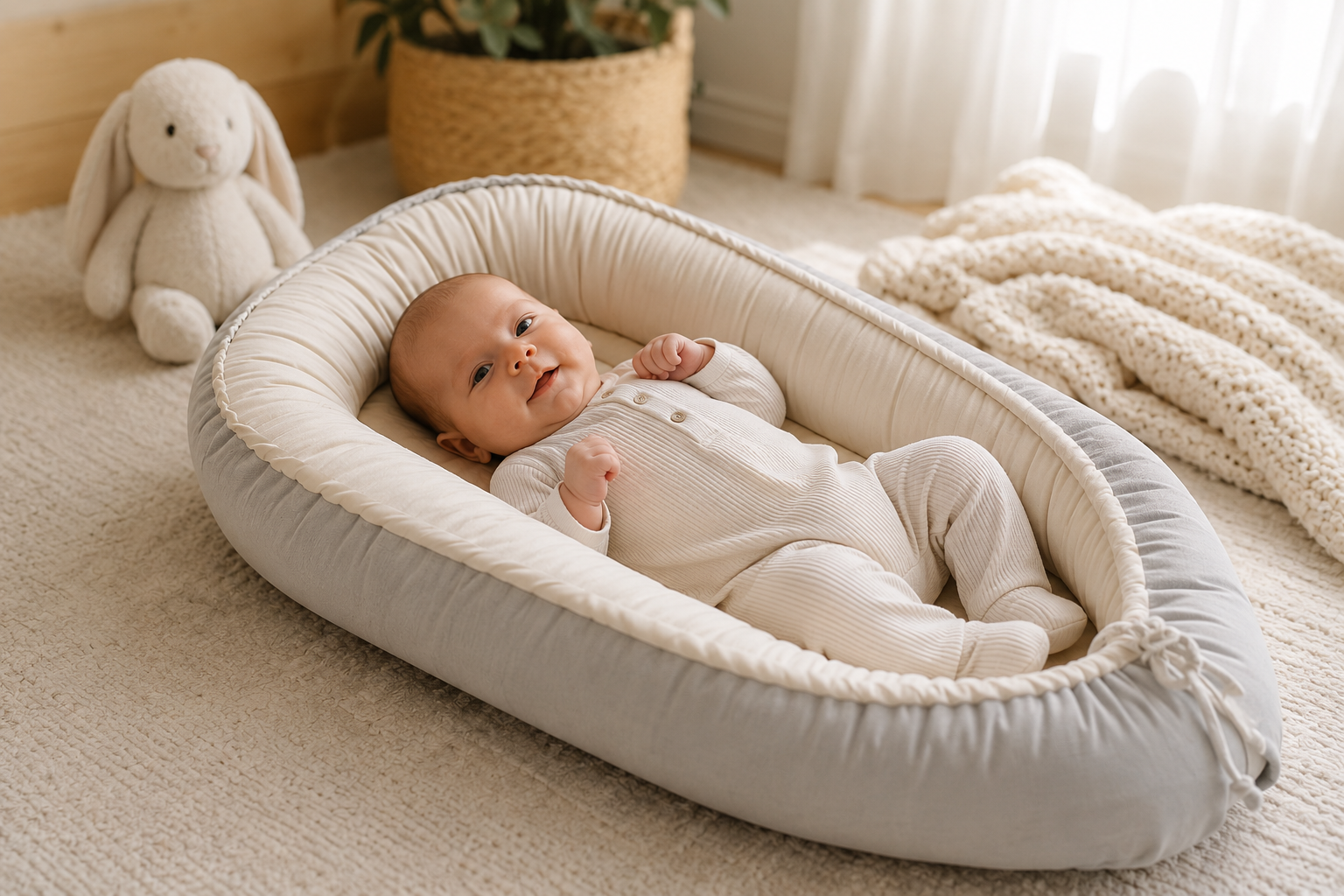
For baby products, muslin is often considered one of the best choices available.
Babies cannot regulate their body temperature as efficiently as adults, making breathable fabrics especially important.
Muslin offers several advantages:
- Helps reduce overheating
- Gentle on sensitive skin
- Lightweight and breathable
- Becomes softer with every wash
- Quick drying
- Easy to wrap for comfortable swaddling
This is why muslin is commonly used for:
- Swaddle blankets
- Baby blankets
- Burp cloths
- Bibs
- Nursing covers
- Washcloths
- Lightweight clothing
- Stroller covers
Parents appreciate muslin because it combines comfort, practicality, and durability without sacrificing breathability.
Which Fabric Is Better for Clothing?
The answer depends on the season and intended use.
Muslin clothing is perfect for:
- Summer dresses
- Loose shirts
- Beachwear
- Sleepwear
- Lightweight scarves
Regular cotton is better suited for:
- Everyday T-shirts
- Sweatshirts
- Jeans
- Hoodies
- Winter clothing
- Structured garments
If you live in a hot climate or experience warm summers, muslin clothing offers excellent comfort due to its superior ventilation.
Which Fabric Is Better for Bedding?
Both fabrics have their place in the bedroom.
Muslin bedding provides:
- Excellent airflow
- Lightweight comfort
- Temperature regulation
- Soft texture that improves over time
Traditional cotton bedding offers:
- Greater warmth
- Wider variety of thread counts
- Crisp hotel-like feel
- Better insulation during colder months
Many people even switch between muslin bedding in summer and regular cotton sheets during winter.
Care and Maintenance
Both muslin and cotton are relatively easy to care for.
For the longest lifespan:
- Wash with cold or warm water.
- Use mild detergent.
- Avoid harsh bleach whenever possible.
- Tumble dry on low heat or air dry.
- Wash similar colors together.
Muslin naturally wrinkles more because of its loose weave. Fortunately, these wrinkles are considered part of its relaxed, natural appearance and typically do not require ironing.
Environmental Considerations
Since muslin is made from cotton, the sustainability of either fabric depends largely on how the cotton is grown and processed.
Organic cotton muslin is becoming increasingly popular because it reduces exposure to pesticides and is generally considered a more environmentally conscious option.
When purchasing either muslin or regular cotton, choosing products certified by recognized organic or sustainable textile standards can further reduce environmental impact.
So, Which Is Better?
There is no universal winner because each fabric excels in different situations.
Choose muslin if you want:
- Maximum breathability
- Lightweight comfort
- Baby-friendly fabric
- Softer texture after every wash
- Fast drying
- Excellent summer performance
Choose regular cotton if you need:
- Greater durability for heavy use
- Better warmth
- Structured garments
- Thick bedding
- Everyday household textiles
Final Thoughts
The debate between muslin and cotton is less about which fabric is superior and more about selecting the right fabric for the right purpose. Muslin’s lightweight weave makes it exceptionally breathable, soft, and ideal for babies, warm climates, and everyday comfort. Traditional cotton fabrics, on the other hand, offer outstanding durability, warmth, and versatility across countless applications.
If you’re looking for baby essentials such as swaddles, blankets, or muslin cloths, muslin is often the preferred choice because of its gentle feel, temperature regulation, and ability to become softer with every wash. For heavier clothing, winter bedding, or products requiring greater structure, traditional cotton remains an excellent option.
Ultimately, both fabrics have earned their place in homes around the world. Understanding their strengths allows you to choose the material that best matches your needs, ensuring long-lasting comfort, quality, and value.