
Welcoming a new baby into the family comes with countless decisions, and one of the most common questions new parents ask is, “When can a baby start using a baby nest?” Baby nests, also known as baby loungers or infant nests, have become increasingly popular because they provide a soft, cozy space for babies to rest, play, or relax while supervised. However, understanding when and how to use a baby nest safely is essential for your baby’s well-being.
In this comprehensive guide, we’ll explore the ideal age for using a baby nest, its benefits, safety considerations, and best practices to help parents make informed decisions.
What Is a Baby Nest?
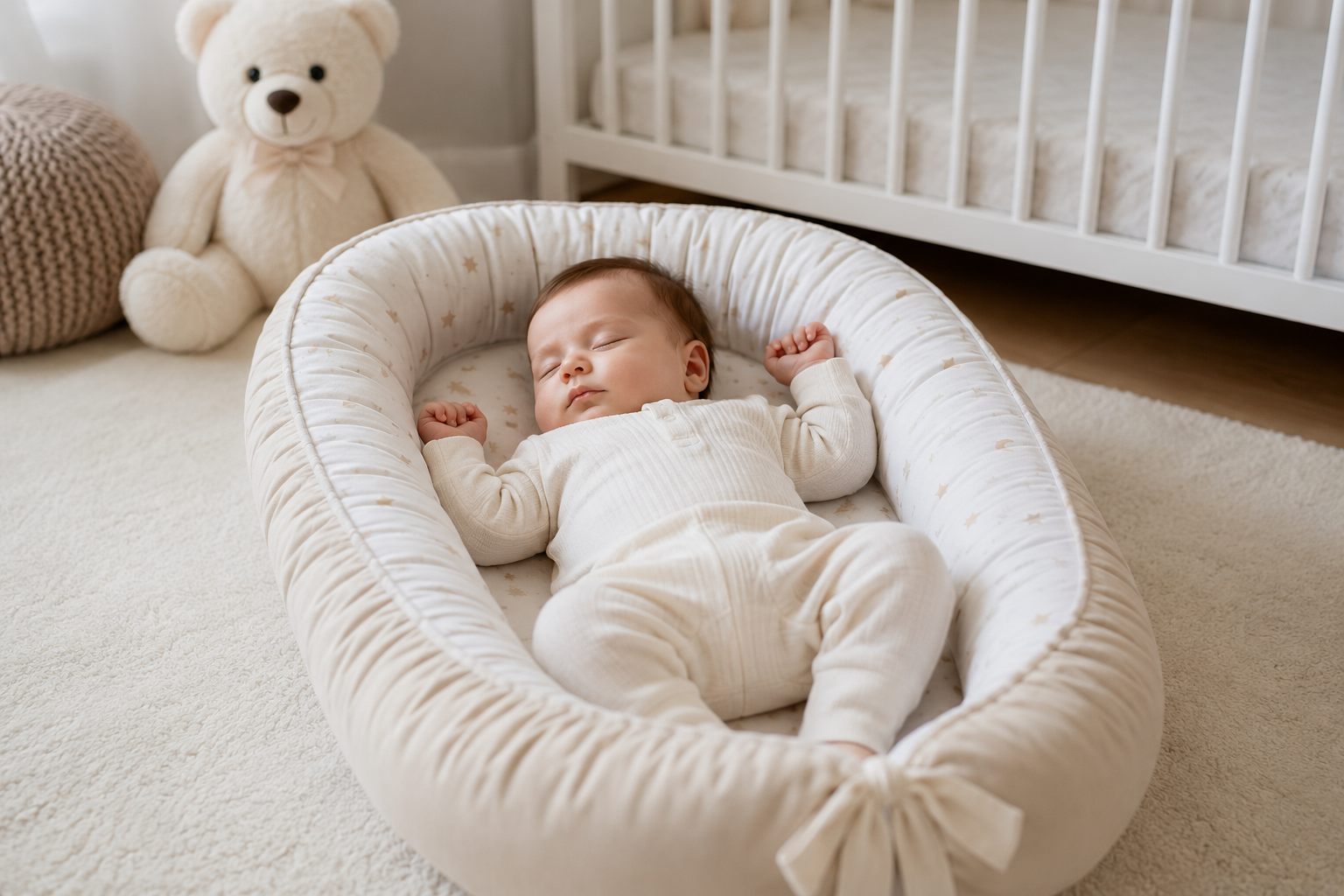
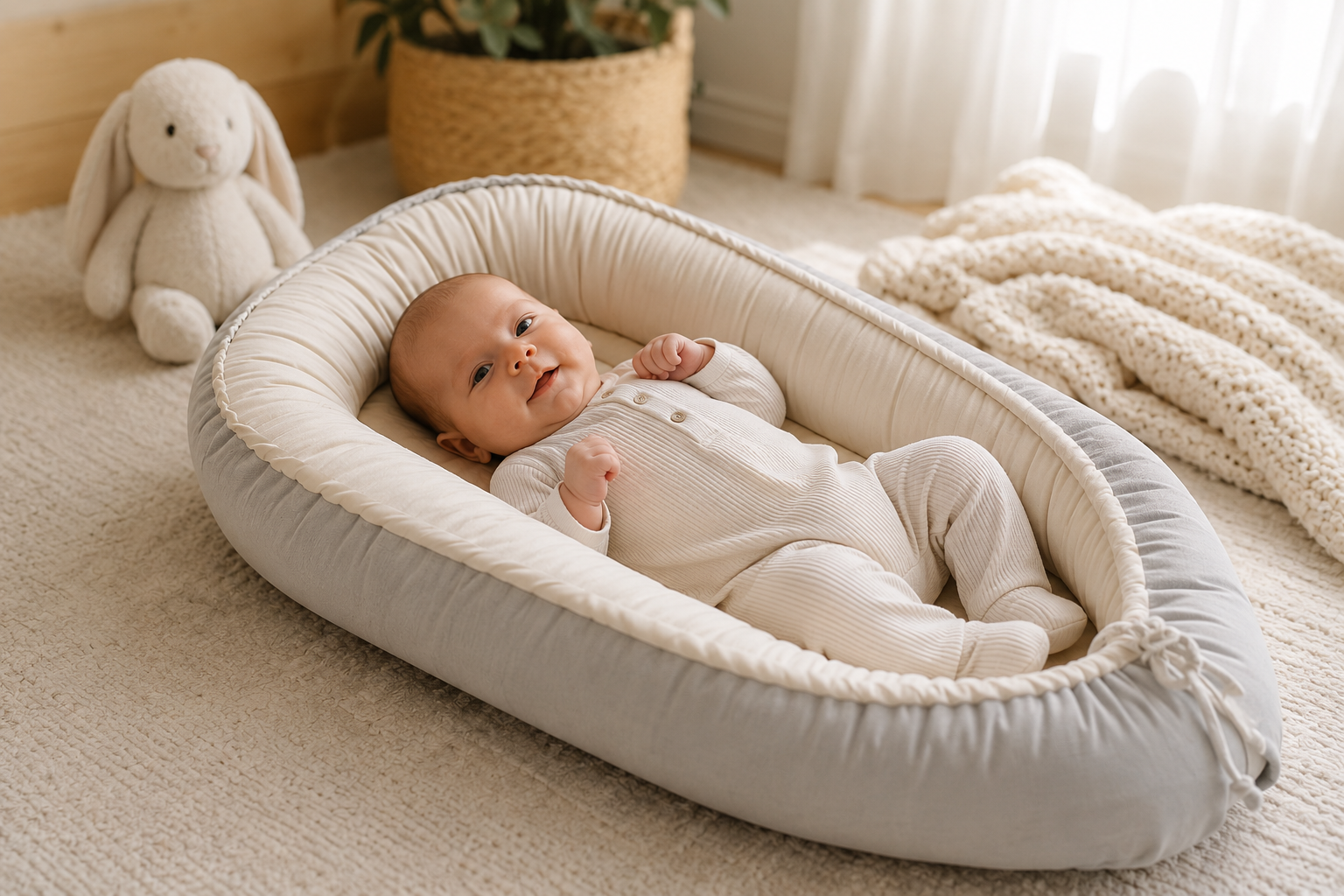
A baby nest is a cushioned, oval-shaped lounger designed to create a snug and comforting environment for newborns and young infants. Most baby nests feature raised padded edges surrounding a soft mattress, helping babies feel secure by mimicking the cozy feeling of the womb.
Baby nests are commonly used for:
- Supervised daytime lounging
- Playtime
- Tummy time preparation
- Bonding with parents
- Diaper changes
- Short periods of relaxation
It is important to understand that a baby nest is not a replacement for a crib, bassinet, or any certified sleep surface intended for unattended sleep.
When Can a Baby Start Using a Baby Nest?
A baby can generally begin using a baby nest from birth, provided it is specifically designed for newborns and used correctly.
Many baby nests are created with newborn dimensions in mind, offering gentle support during the first months of life. Since newborns naturally enjoy enclosed environments, the soft raised sides can provide a comforting feeling while they are awake and being closely supervised.
The first few weeks are often when parents use baby nests the most because babies spend much of their day sleeping, feeding, and resting.
However, every baby develops differently. Parents should always ensure that the baby fits comfortably inside the nest without appearing cramped or oversized.
How Long Can a Baby Use a Baby Nest?
Although babies may begin using a baby nest from birth, they usually outgrow it between 4 and 8 months of age, depending on:
- The baby’s height
- Weight
- Developmental milestones
- The size of the baby nest
The biggest factor is mobility.
Once babies begin rolling over independently, pushing themselves up, or attempting to crawl, many manufacturers recommend discontinuing use of a baby nest because active movement increases safety risks.
Always follow the age, height, and weight recommendations provided by the manufacturer.
Benefits of Using a Baby Nest
Baby nests have become popular because they offer several practical advantages for parents and babies alike.
Creates a Cozy Environment
Newborns are accustomed to the confined space of the womb. The padded sides of a baby nest help recreate that comforting sensation, which many babies find soothing.
Convenient Around the House
A lightweight baby nest allows parents to keep their baby nearby while moving from room to room.
Whether you’re reading, folding laundry, or relaxing on the couch, a baby nest provides a designated supervised space for your baby to rest comfortably.
Supports Bonding Time
Many parents place a baby nest beside them during supervised relaxation or family time, making it easier to interact with their baby through talking, singing, and eye contact.
Useful for Supervised Lounging
After feeding or during quiet awake periods, babies often enjoy relaxing in a comfortable nest while observing their surroundings.
Portable and Travel-Friendly
Most baby nests are lightweight and easy to transport, making them useful when visiting family, traveling, or spending time outdoors in appropriate weather conditions.
Important Safety Considerations
While baby nests offer many benefits, safety should always come first.
Experts recommend using baby nests only for awake and supervised time.
Never Use a Baby Nest for Unattended Sleep
One of the most important safety recommendations is that babies should not be left to sleep unattended in a baby nest.
If your baby falls asleep in the nest, gently transfer them to a firm, flat sleep surface such as a crib or bassinet that meets current safety standards.
Always Place on a Flat Surface
A baby nest should only be placed on a stable, flat floor or other firm horizontal surface.
Avoid placing it on:
- Sofas
- Beds
- Chairs
- Recliners
- Elevated tables
- Soft mattresses
These surfaces increase the risk of falls or suffocation.
Never Carry Your Baby Inside the Nest
Although some baby nests include handles for moving the empty product, you should never lift or carry your baby while they are inside the nest.
Keep the Sleep Area Clear
Avoid adding extra pillows, stuffed animals, blankets, or loose bedding around the baby while using the nest.
A simple, uncluttered environment is always the safest.
Signs Your Baby Has Outgrown the Baby Nest
Your baby may be ready to stop using the nest if you notice any of the following:
- Rolling over independently
- Attempting to crawl
- Sitting up without support
- Feet extending well beyond the end
- Shoulders becoming too wide for the sides
- Frequently pushing against the edges
These developmental milestones indicate that your baby needs more space to move freely.
How to Choose the Right Baby Nest
Not all baby nests are made with the same quality. When shopping, consider the following features:
Breathable Materials
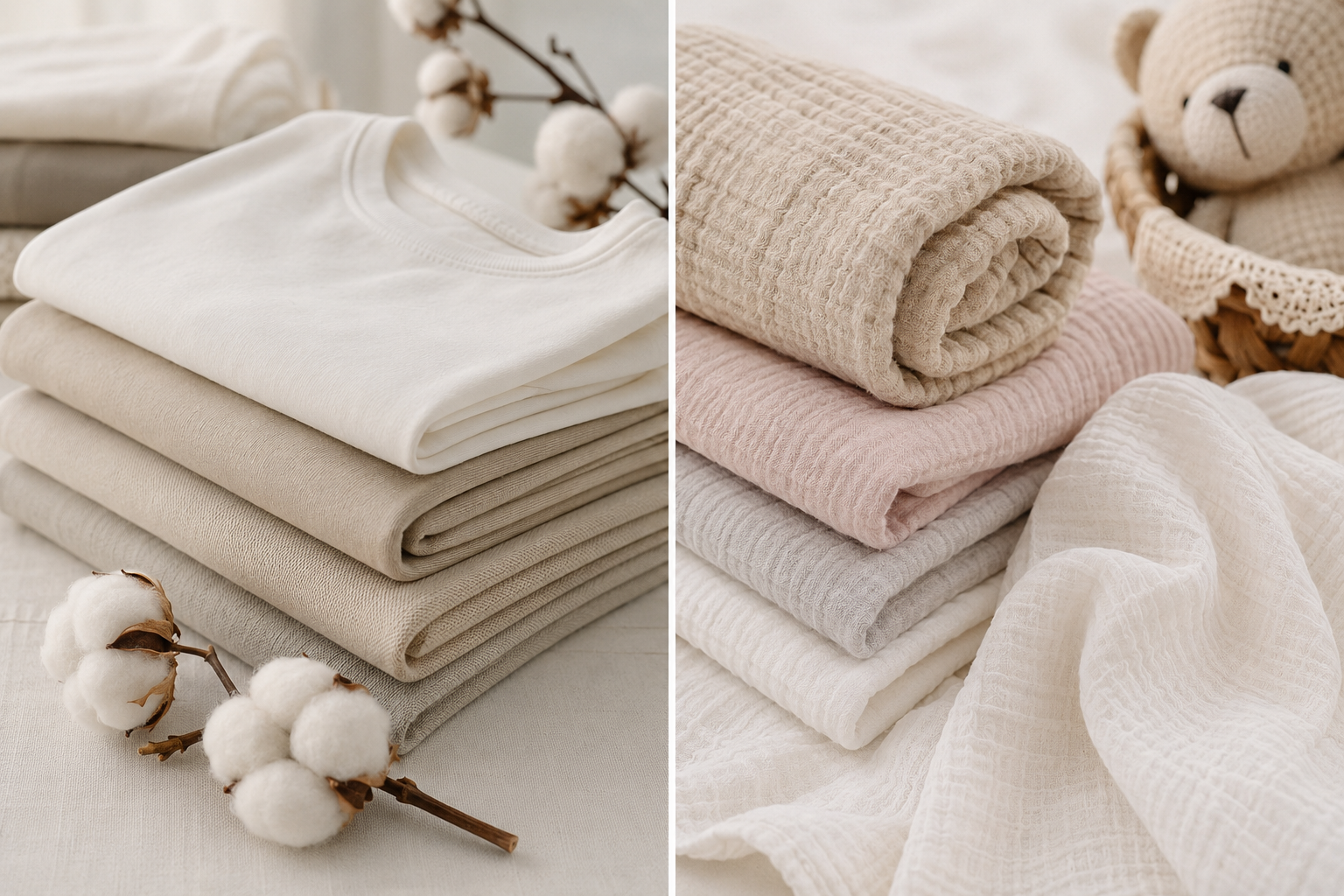
Choose breathable cotton fabrics, such as muslin or premium cotton, that promote airflow and help regulate body temperature.
Hypoallergenic Filling
Soft, hypoallergenic filling is ideal for babies with sensitive skin.
Washable Cover
Babies naturally create messes, so a removable, machine-washable cover makes cleaning much easier.
High-Quality Construction
Look for durable stitching, quality materials, and products that maintain their shape after repeated washing.
Appropriate Size
Select a nest designed specifically for your baby’s age and weight rather than choosing an oversized model.
Caring for Your Baby Nest
Proper care helps extend the life of the baby nest while maintaining a clean environment for your little one.
Some helpful maintenance tips include:
- Wash the cover according to the manufacturer’s instructions.
- Spot clean small spills immediately.
- Allow the nest to dry completely before reuse.
- Store it in a dry, well-ventilated location.
- Inspect regularly for loose seams or signs of wear.
Routine cleaning helps reduce the buildup of dust, allergens, and bacteria.
Frequently Asked Questions
Can a newborn sleep overnight in a baby nest?
No. Baby nests are intended for supervised awake time and are not designed to replace a crib or bassinet for routine or overnight sleep.
Can I use a baby nest every day?
Yes, many parents use a baby nest daily during supervised awake periods. Regular use is fine as long as the baby is monitored and the manufacturer’s instructions are followed.
Is a baby nest good for tummy time?
A baby nest is not a substitute for tummy time, but it can be used before or after tummy time during supervised play. Tummy time itself should be done on a firm, flat surface.
Can I travel with a baby nest?
Yes. Baby nests are lightweight and portable, making them convenient for visits to family or short trips. Always use the nest on a stable, flat surface and supervise your baby at all times.
Final Thoughts
A baby nest can be a wonderful addition to your collection of baby essentials, offering a cozy and convenient space for your little one to relax, observe the world, and enjoy supervised bonding time. Most babies can begin using a newborn-sized baby nest from birth, and many continue using it until they become more mobile, typically between four and eight months of age.
The key to getting the most out of a baby nest is using it responsibly. Always keep your baby within sight, place the nest on a firm, flat surface, and remember that it should never replace a crib or bassinet for unattended or overnight sleep. By choosing a high-quality baby nest made from breathable materials and following recommended safety guidelines, parents can create a comfortable environment that supports their baby’s early development while providing peace of mind.